1989-2014
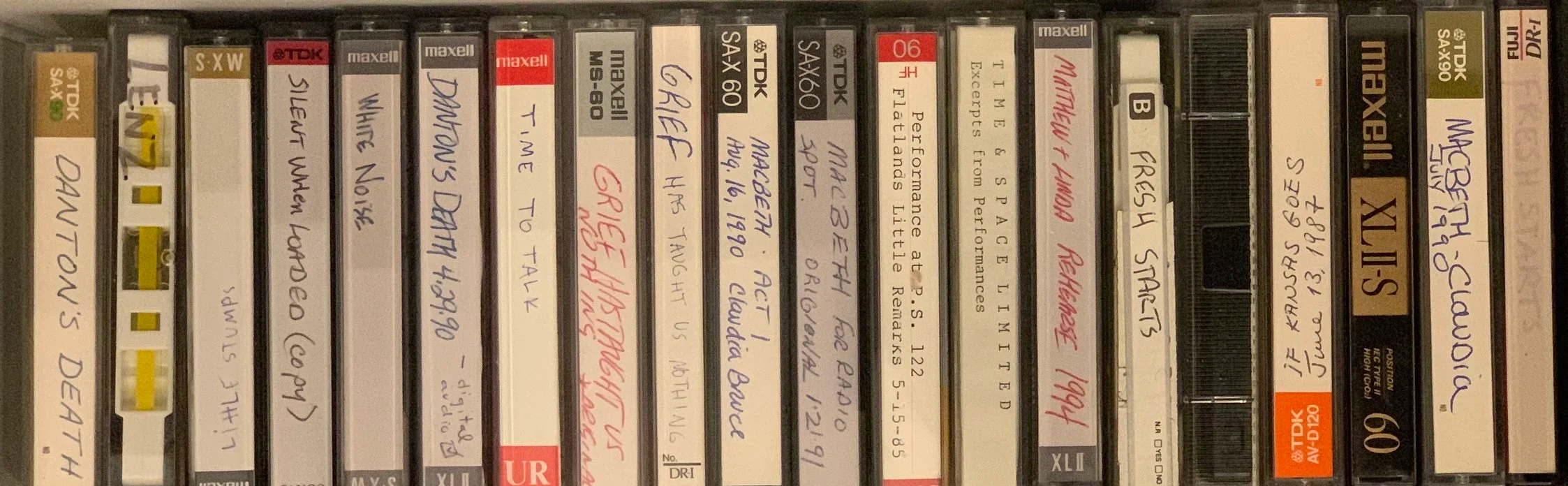
TSL Radio Plays
In 1989, Klaus Schöning of WDR Radio Cologne, Germany, commissioned Linda Mussmann to adapt her original version of the Georg Büchner play Danton’s Death for a one hour broadcast. Thus began a period of experimentation in audio for TSL. Other Mussmann/Bruce productions from this era that have radio play versions include Lenz(1993, WDR), and Little Stumps and Real Conversations (1989, Independent). After several successful stage-to-radio adaptations, Mussmann authored two pieces intended primarily for the airwaves and secondarily for the stage: Grief Has Taught Us Nothing (SFB, 1992) and James B. Snead (SFB, 1997).
After lying dormant for over 15 years, the radio project was resurrected in 2013, when Mussmann and Bruce began hosting a weekly hour-long program on WGXC 90.7, called “TSL Radio Theater.” The program re-broadcasted radio plays and live performances from their archive, as well as provide insight into their creative process.
They also created two brand new pieces, specifically for WGXC: No Time Like the Present (2013), and Madame X (2014).
The program ran regularly through 2014.
Linda Mussmann on adapting her work for the audio format:
“I think my interest in voice, and designs for the voice and music were a natural extension of the work---recording and sound were a big part of the work we did. The texts need music to support the lack of narrative, and the voice for me was always about a kind of speech song-- that evoked an emotion or a color on its own without relying on a duplication of what it already meant. I was always looking for a way to have two things happening at the same time that were not necessarily connected”
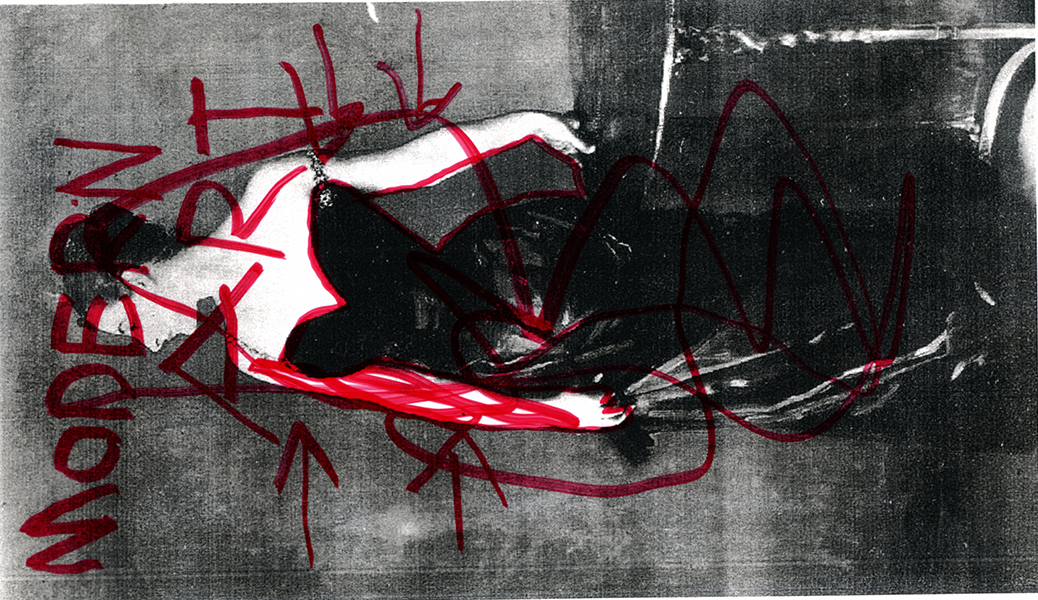
Madame X (2014)
on WGXC 90.7
Based on the painting Portrait of Madame X by John Singer Sargent, this piece was briefly performed at the TSL Warehouse, before being reworked for TSL Radio Theater.
In one dream-like sequence, Franz Kafka knocks on the door selling aluminum siding, and is followed by Frank O’Hara, Fanny Brice, Francis Fukayama, and Fay Wray.
“Looking smart is half the job. The other half is showing up.”
No Time Like the Present (2013)
on WGXC 90.7
The first original piece produced for TSL Radio Theater came on the heels of the 2012 election, and explores Marxism, communism, and the assassination of President McKinley. Though it was pre-taped, No Time simulates the live-radio format, complete with call-ins, station IDs, and static interruptions.
James B. Snead (1997)
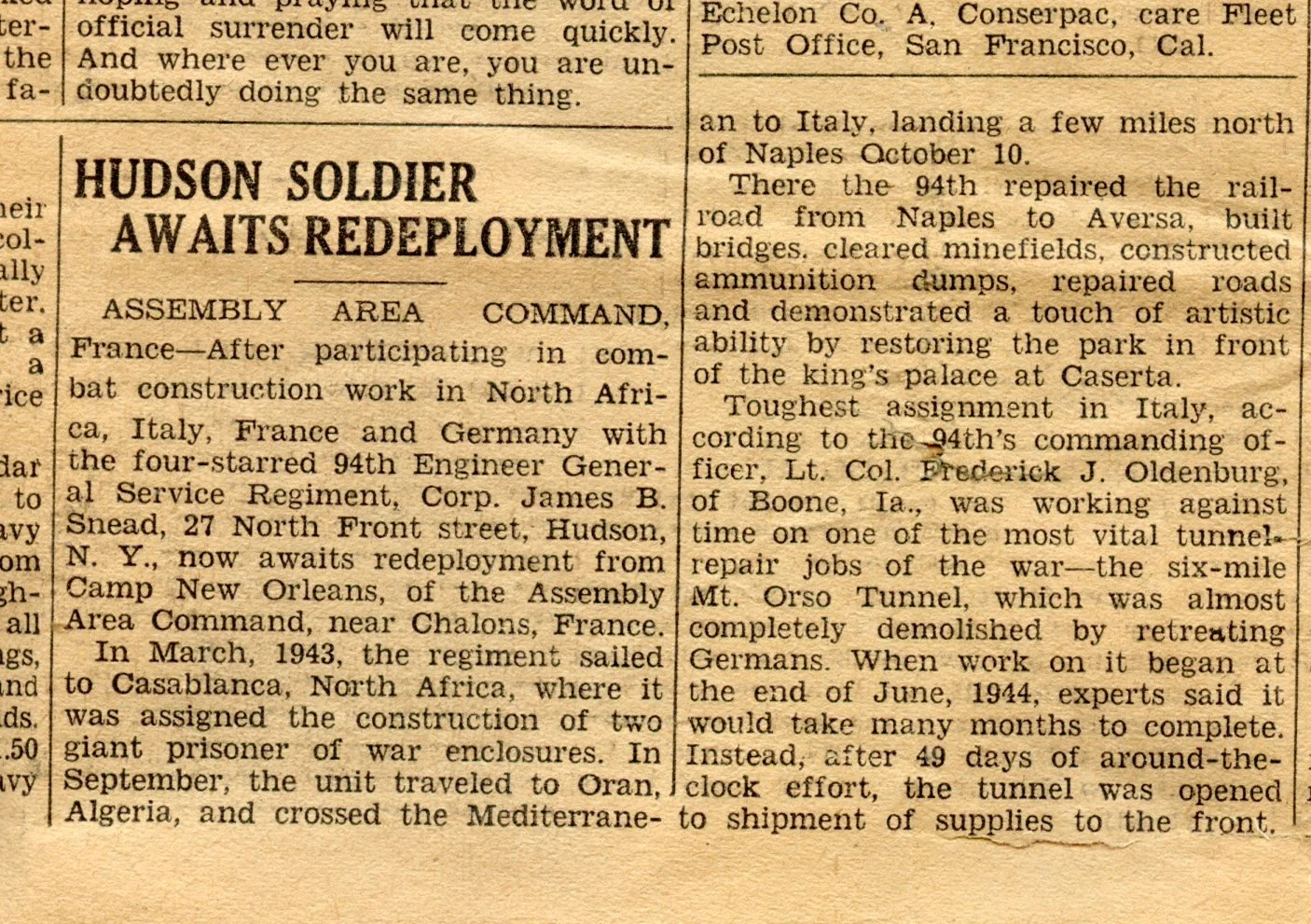
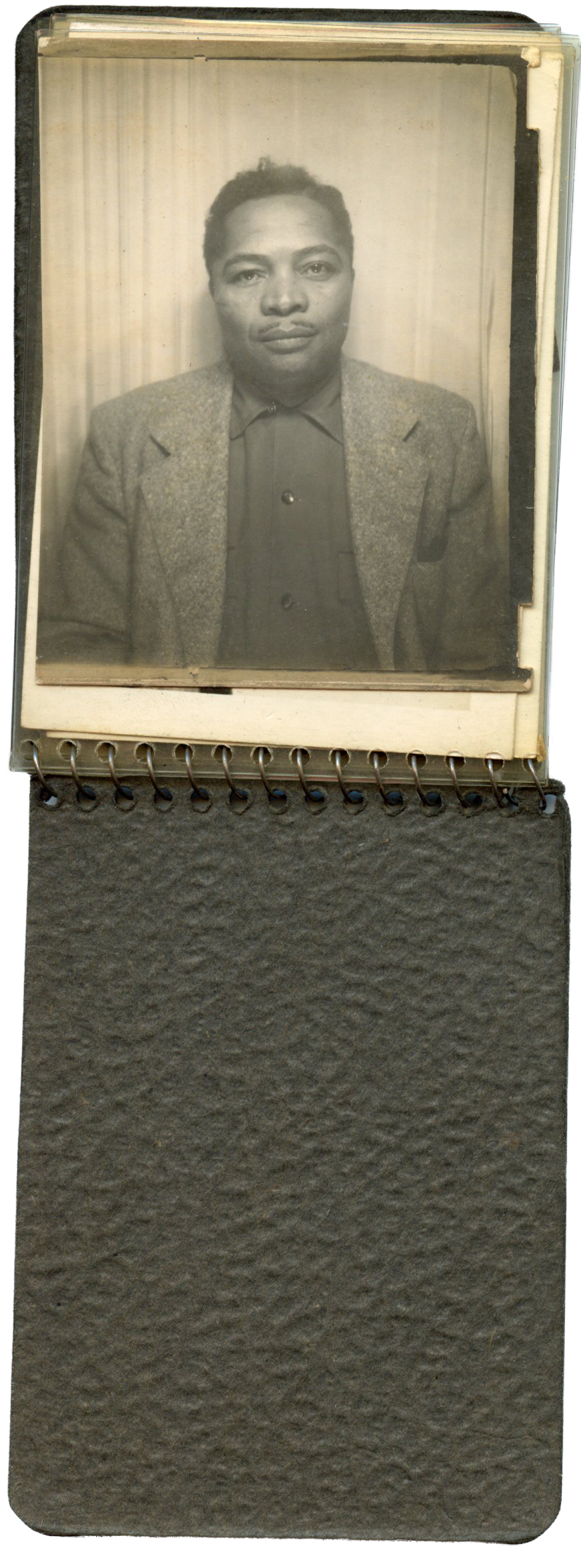
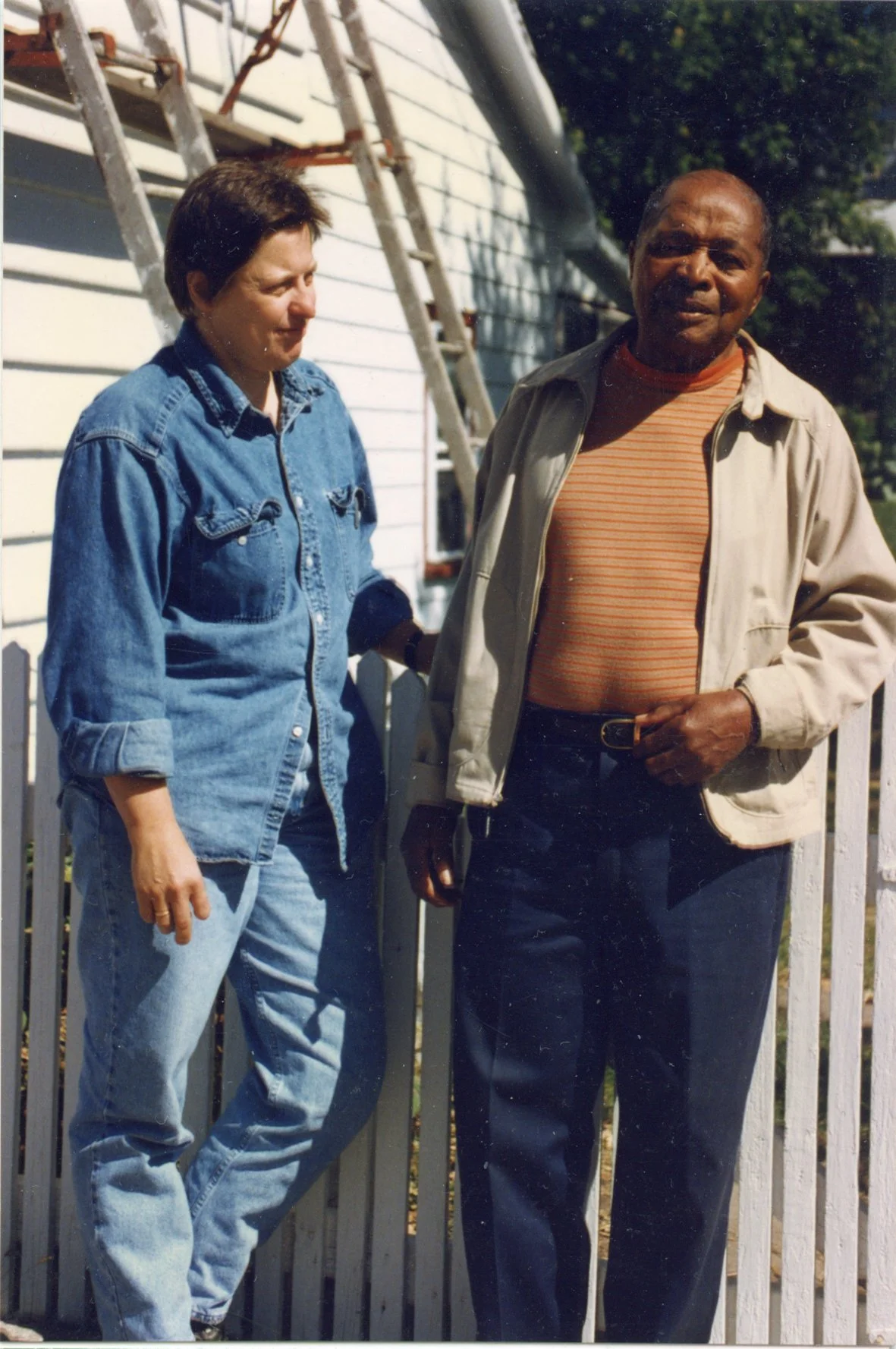
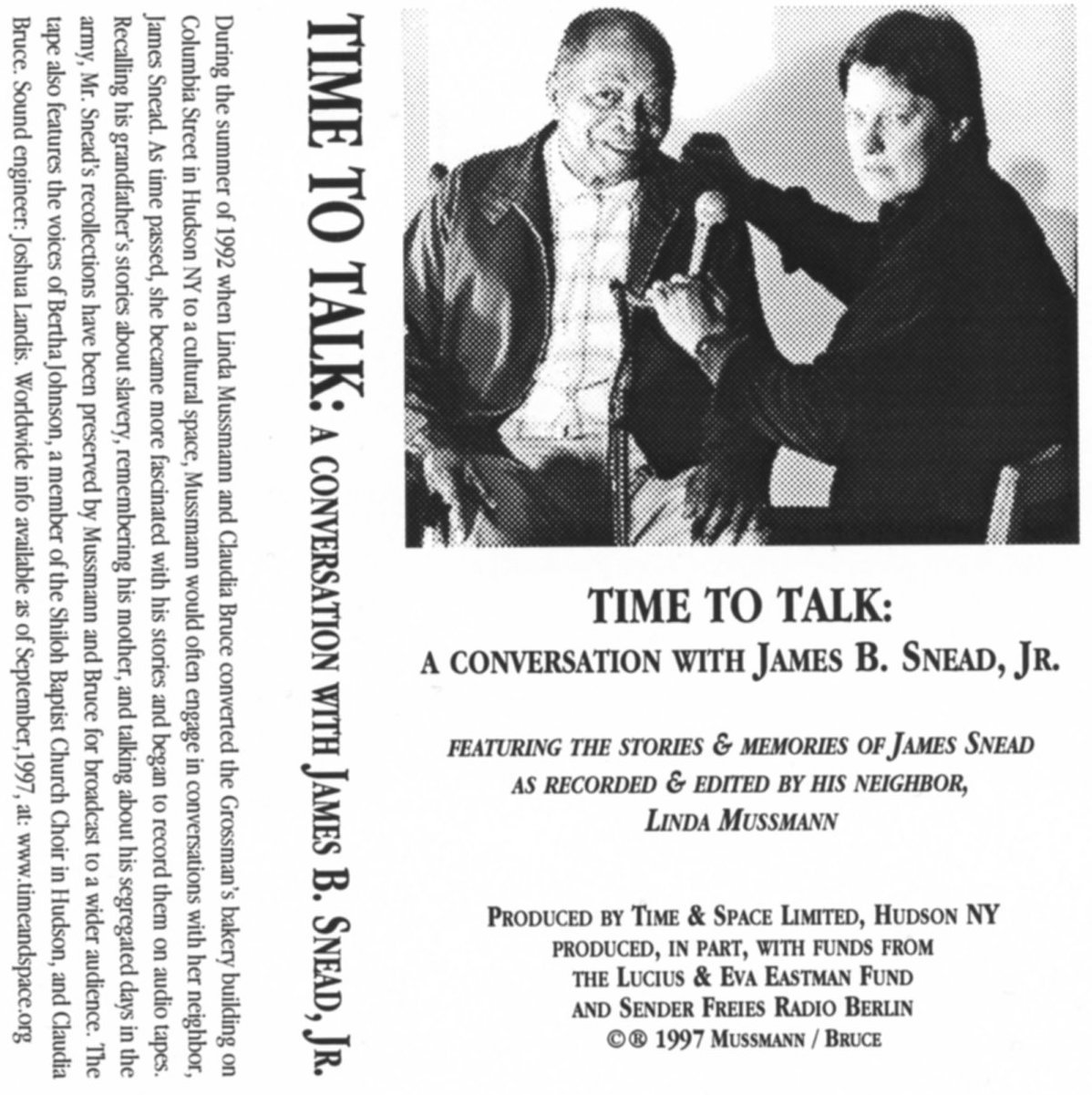
James Burrell Snead Jr. was a neighbor of Linda Mussmann and Claudia Bruce. He was born in 1913 in Halifax County, VA, and moved to Hudson, NY at age 16 in 1929 to work for the New York Central Railroad. At age 29, shortly after being married, he was drafted into World War II. Mussmann, with her proclivity for the historical, was naturally drawn to Snead’s stories, and began recording their conversations.
The conversations turned into interviews to produce a radio piece for Sender Freies Berlin Radio. Snead recounts tales told to him as a child by his grandfather, who was born into slavery.
Clips from their talks are woven together with narration from Bruce, and a mix of hymns and American songs sung by Bertha Johnson and Bruce.
The Registar-Star, 1997:
“Work on this project began in 1994 after Mr. Snead and Mussmann began their dialogues in the parking lot of TSL WareHouse. The stories that Snead told Mussmann are about his moving from Halifax County, Virginia, to Hudson, New York, where he has been a member of the community since the 1920.
On the tape, Snead tells of the various jobs he held including working for the railroad and for Lone Star Cement. In addition, Mr. Snead recounts the details of a remarkable life filled with events that include his days during World War II in the segregated army and life during the pre-Civil Rights era. His recollections also include his grandfather’s stories of slavery and his loving memories of his mother.”
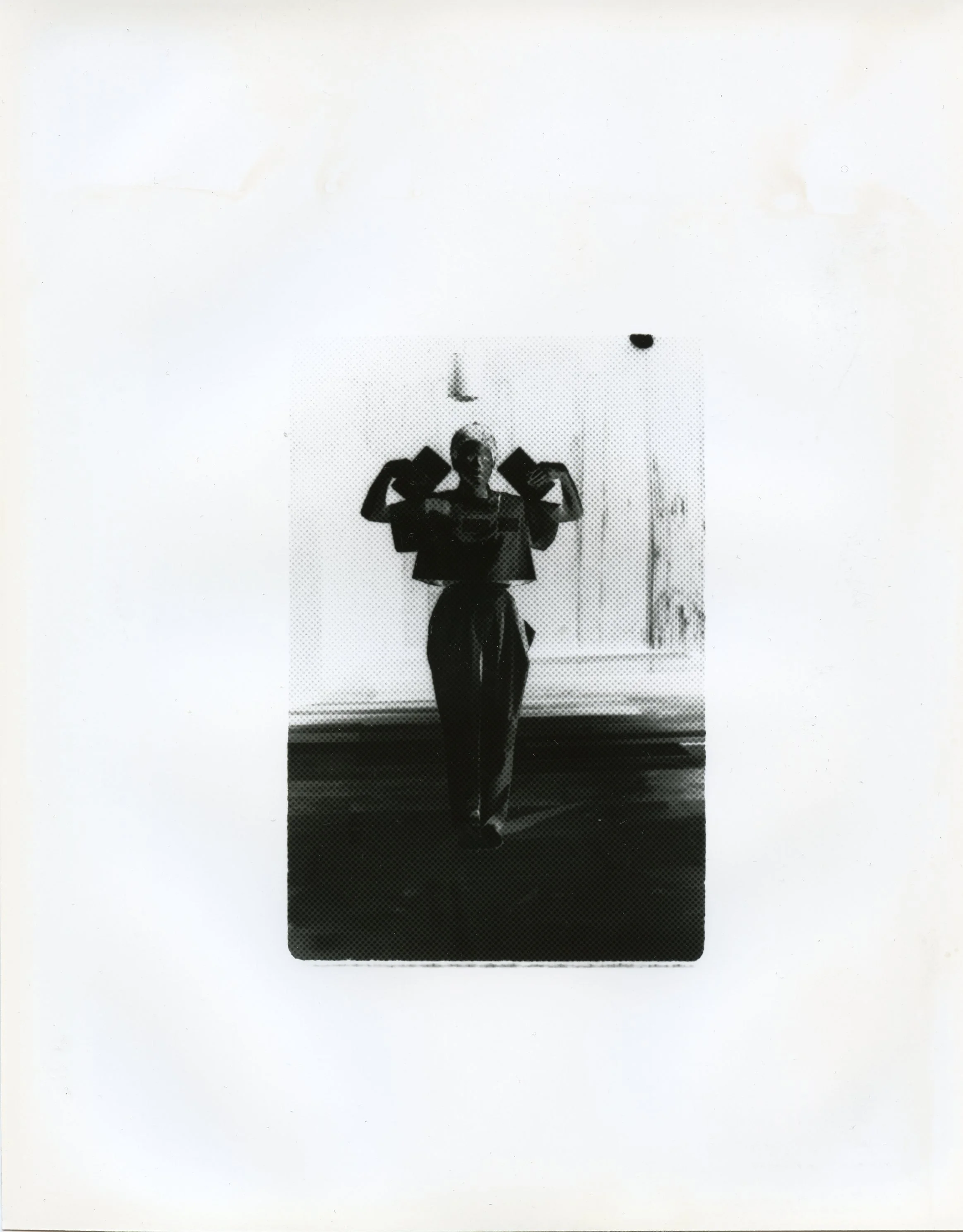
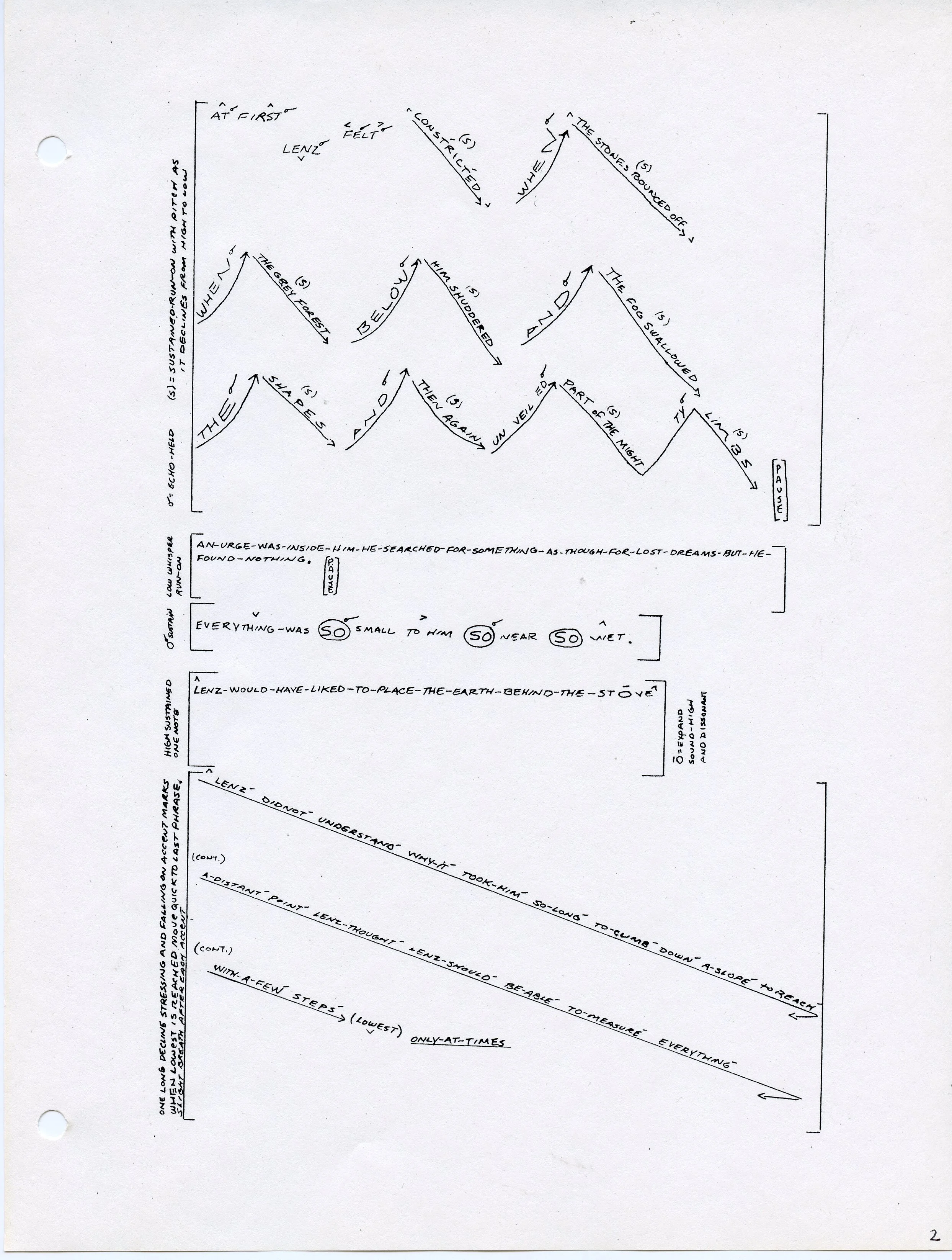
Following Danton’s Death, Mussmann and Bruce’s second Büchner adaptation for WDR Cologne was based on his incomplete 1836 novella, Lenz. The piece was previously produced for the stage in 1981 at the TSL Storefront in New York City.
“In 1980, I had seen a performance of Arnold Schoenberg’s Pierrot Lunaire (1912) at the Guggenheim Museum. This event influenced my thinking about designing for text and I set out to construct my performance pieces using the sprechstimme style. Büchner’s novella Lenz was perfect for this.”
Translated by Hedwig Rappolt
Music by Semih Fırıncıoğlu
Lenz (1993)
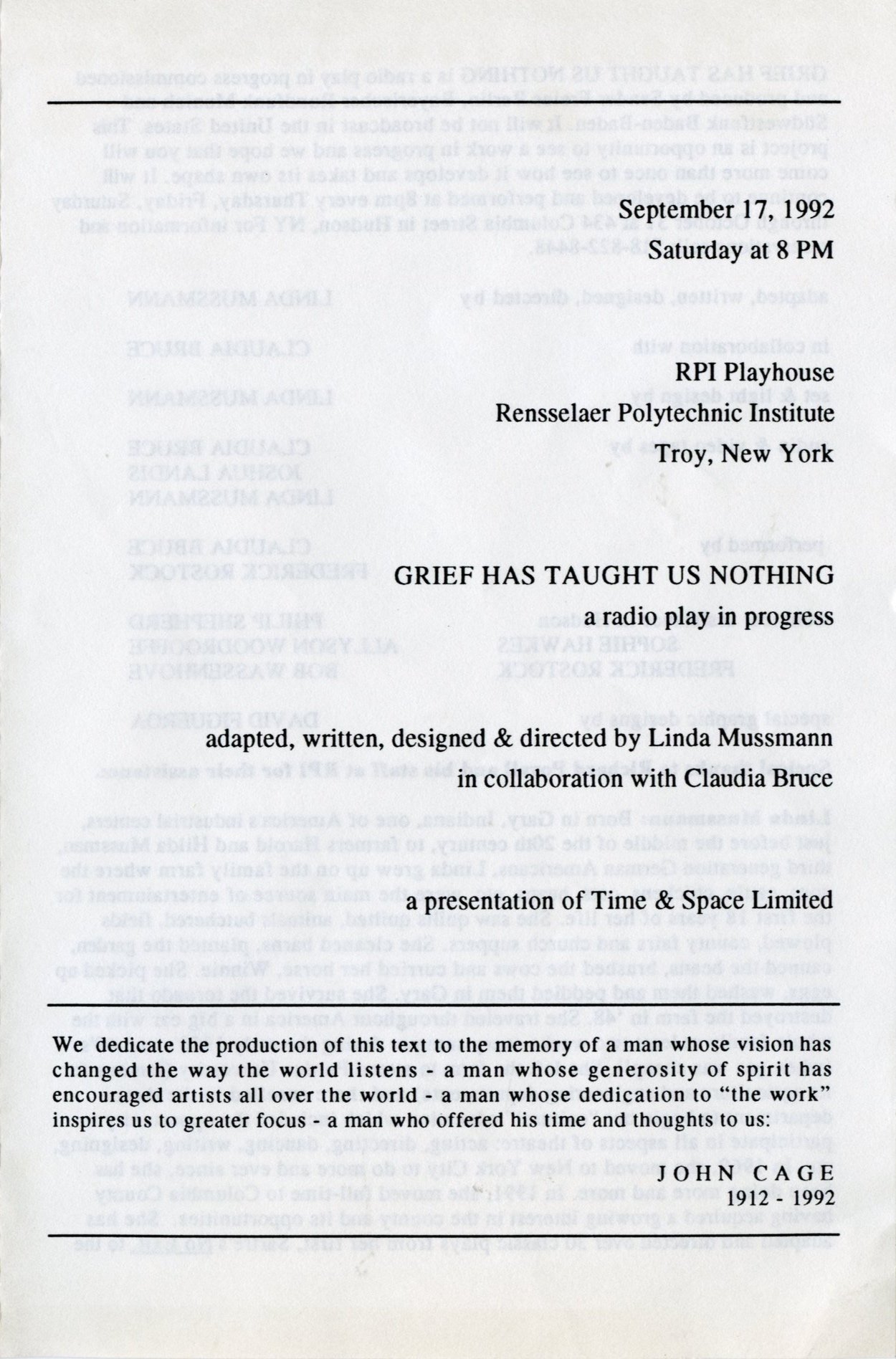
In 1991, while performing M.A.C.B.E.T.H. in Poland, Linda Mussmann and Claudia Bruce met Renata Jurzik of Sender Freies Berlin Radio (SFB). Jurzik commissioned the duo to produce an original radio play which became Grief Has Taught Us Nothing. It later became adapted for stage.
The piece was billed as “a series of fiction/fact conversations between Hedda Gabler, Charlotte Corday, Crazy Horse, General Custer, Ulysses S. Grant, Lee Harvey Oswald, and others that focuses on the choices in their lives and the repercussions of those actions as they overlap and interweave in the time and space of Linda Mussmann's imagination.”
Grief Has Taught Us Nothing (1992)
Linda Mussmann:
“Having the luxury of one’s imagination, you can merge history, and re-think it by placing characters in the same scene that are historically incorrect. Hedda Gabler for example, a fictional character that Henrik Ibsen wrote in the 1890s, appears with a real character, Lee Harvey Oswald, whose life ended in 1963. So you go from 1890 to 1963. Hedda Gabler chose to kill herself, Lee Harvey Oswald is killed. I examine those two situations, one is a woman one is a man both are trapped in a room. Oswald is trapped in a room full of media and cameras and press. Hedda is in a room that is totally isolated and she’s trapped by a certain amount of social restrictions of the Victorian woman…
“Most of the characters in this particular piece are political characters, or they’re famous for political crimes or actions, and I’m examining the situation of how people have changed their life, either good or bad I don’t really judge what they’ve done.”
Danton’s Death (1989)
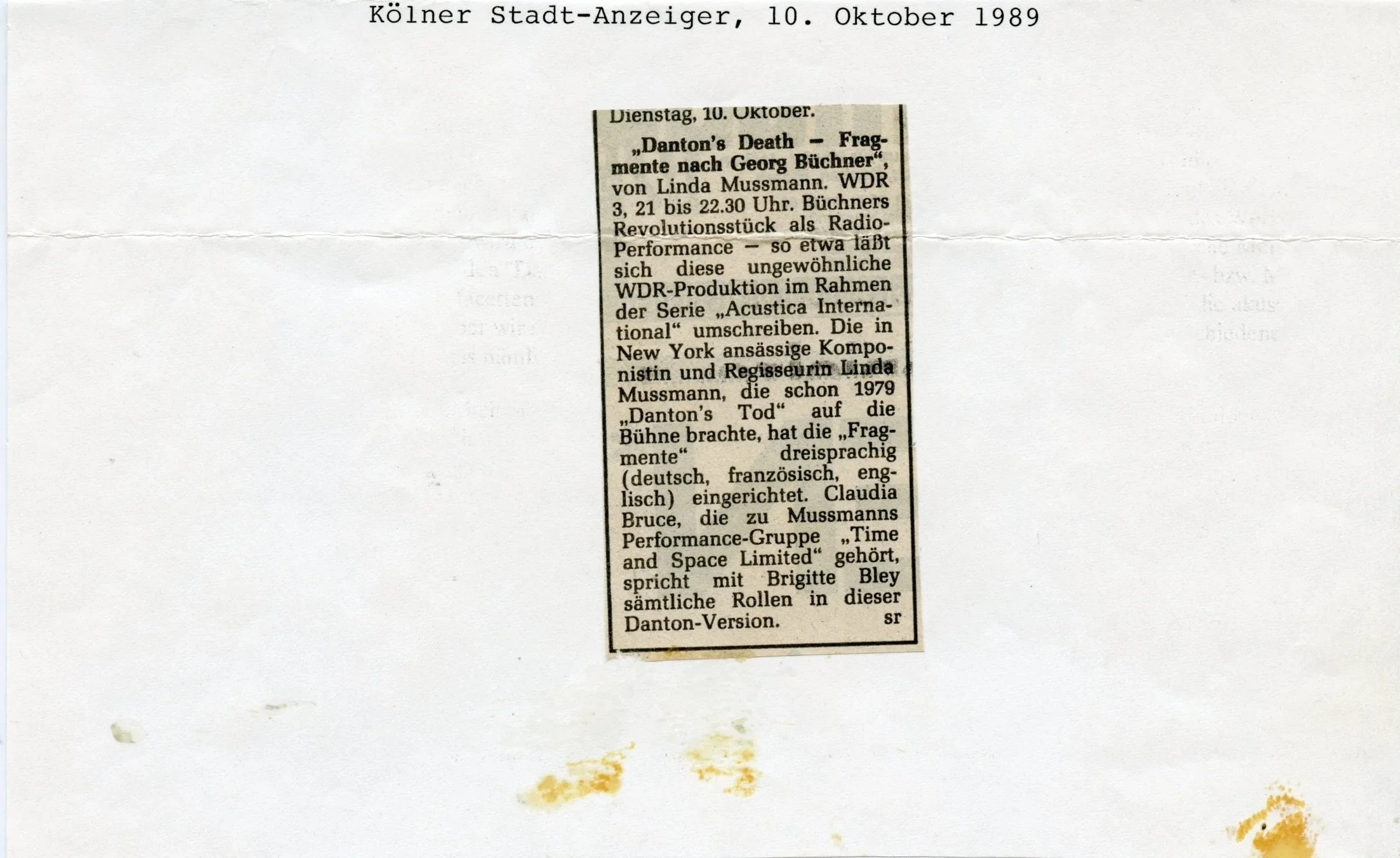
Danton’s Death, written by German playwright George Büchner in 1902, was adapted for the stage by Linda Mussmann in 1979.
In 1989, Klaus Schöning of WDR Radio Cologne commissioned Mussmann to adapt her original version of the play for a one hour broadcast. This was aired in Germany as part of the bicentennial of the French Revolution.
In 1990, Schöning organized the 2nd Acoustica Festival at the Whitney Museum of American Art (Equitable Center) in New York City and, once again, asked Mussmann to shorten her version to “close to 30 minutes.” In April, this version was performed at the festival and aired by public station WNYC along with works by European and American radio artists, including John Cage, Alison Knowles, and Charles Amirkhanian. In May, Danton’s Death was performed in Montreal, Canada, and aired on the Canadian Broadcasting system.
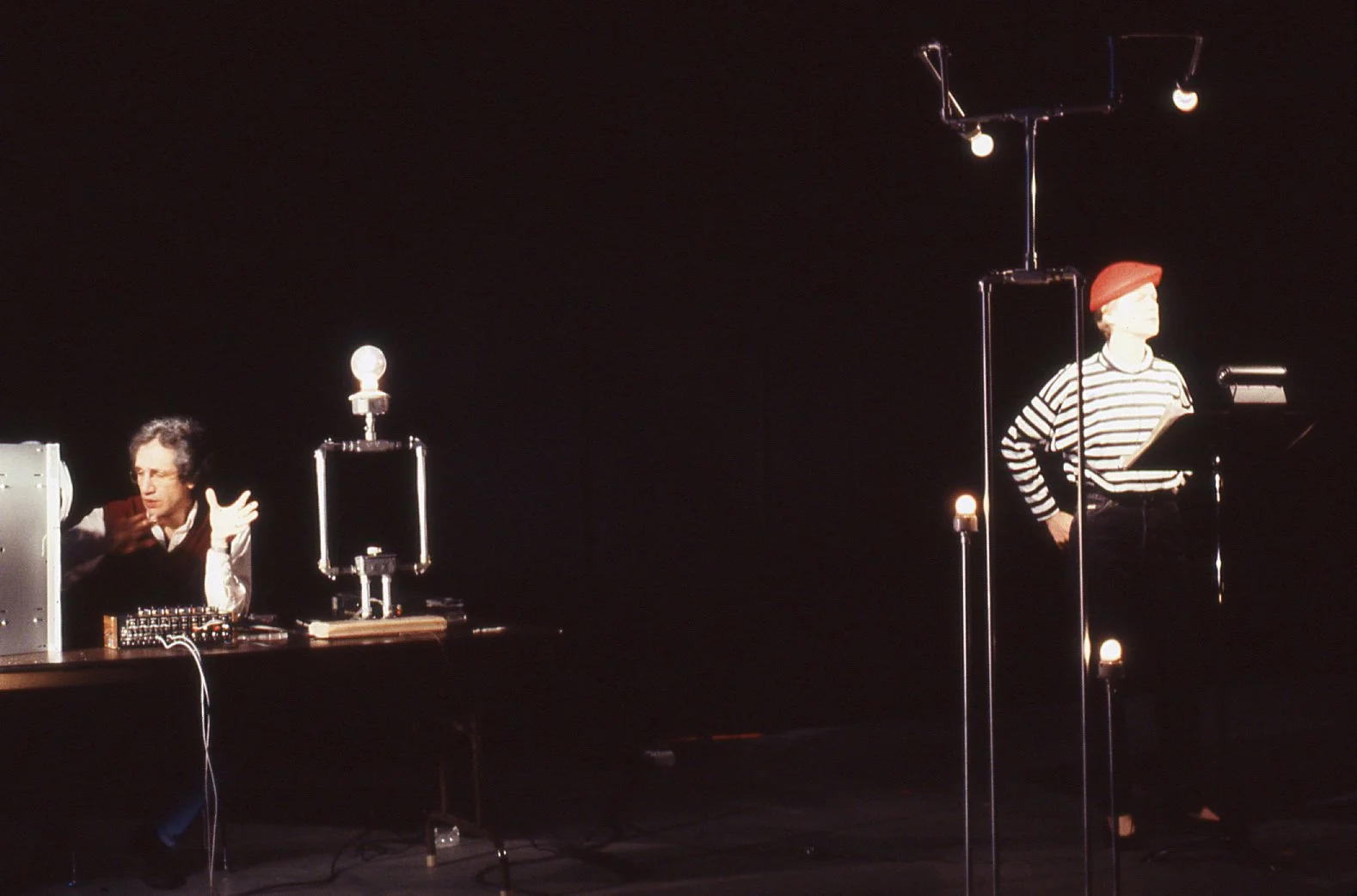
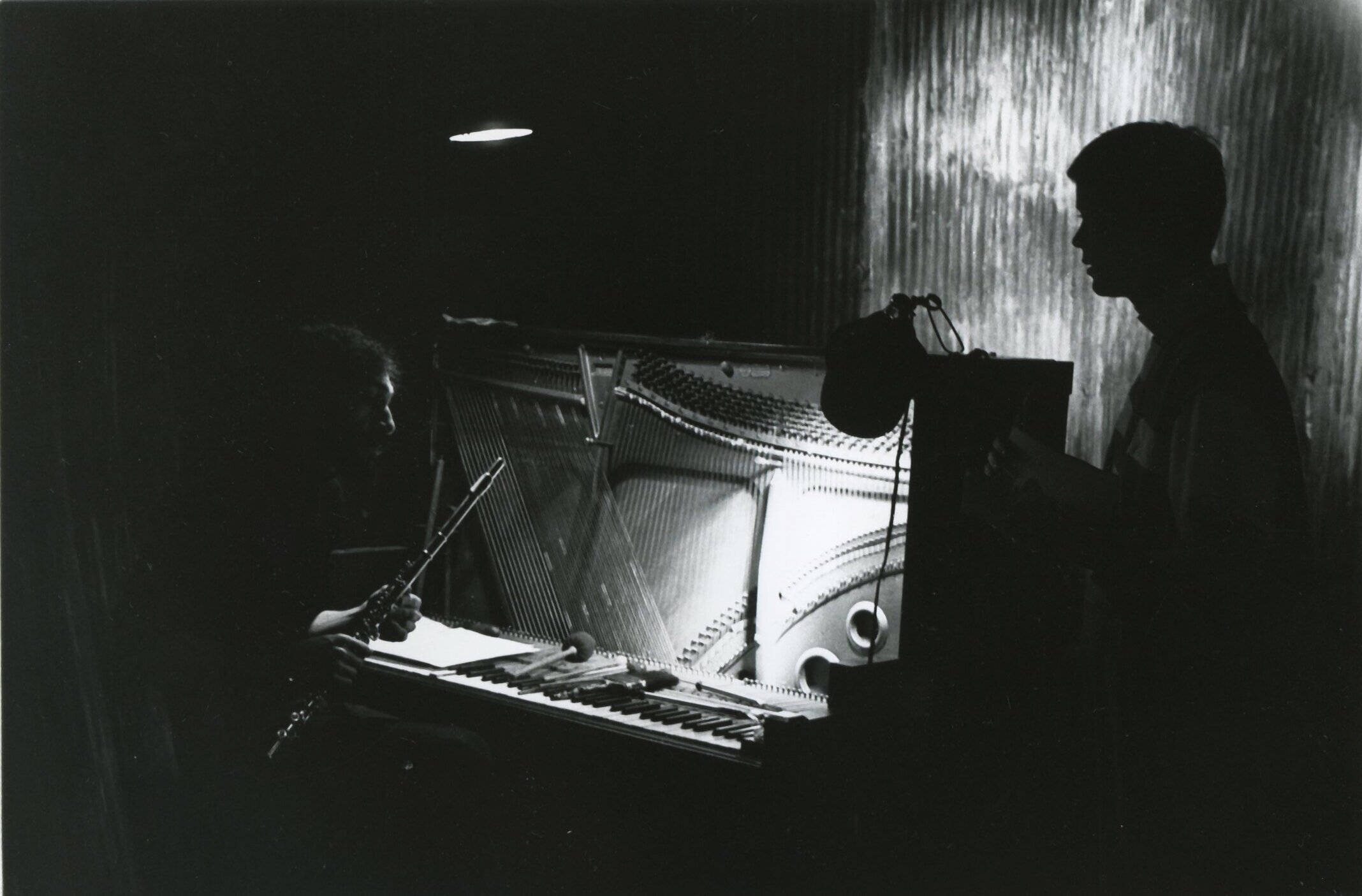
Claudia Bruce and Semih Fırıncıoğlu recording Danton’s Death at the Whitney Museum of American Art, 1990